Berberine is found in plants like barberry and goldenseal. uts.edu.au
-
-
Research from the University of Technology Sydney suggests that berberine can suppress proliferation of lung cancer cells and also reduce inflammation in lung tissue exposed to cigarette smoke. uts.edu.au
-
-
Sweet Potato Leaf Extracts
-
A study found that extracts from sweet potato leaves (particularly certain colored varieties) significantly inhibited the survival of lung cancer cells. News-Medical
-
The effect is believed to come from polyphenols and anthocyanins in the leaves. News-Medical
-
Not a cure — just evidence for potential bioactive compounds.
-
-
Calotropis gigantea
-
Some folk‑medicine studies reference Calotropis species as having cytotoxic effects against non-small-cell lung carcinoma cell lines. ويكيبيديا
-
But “cytotoxic” in a petri dish is very different from being a safe, effective cancer therapy.
-
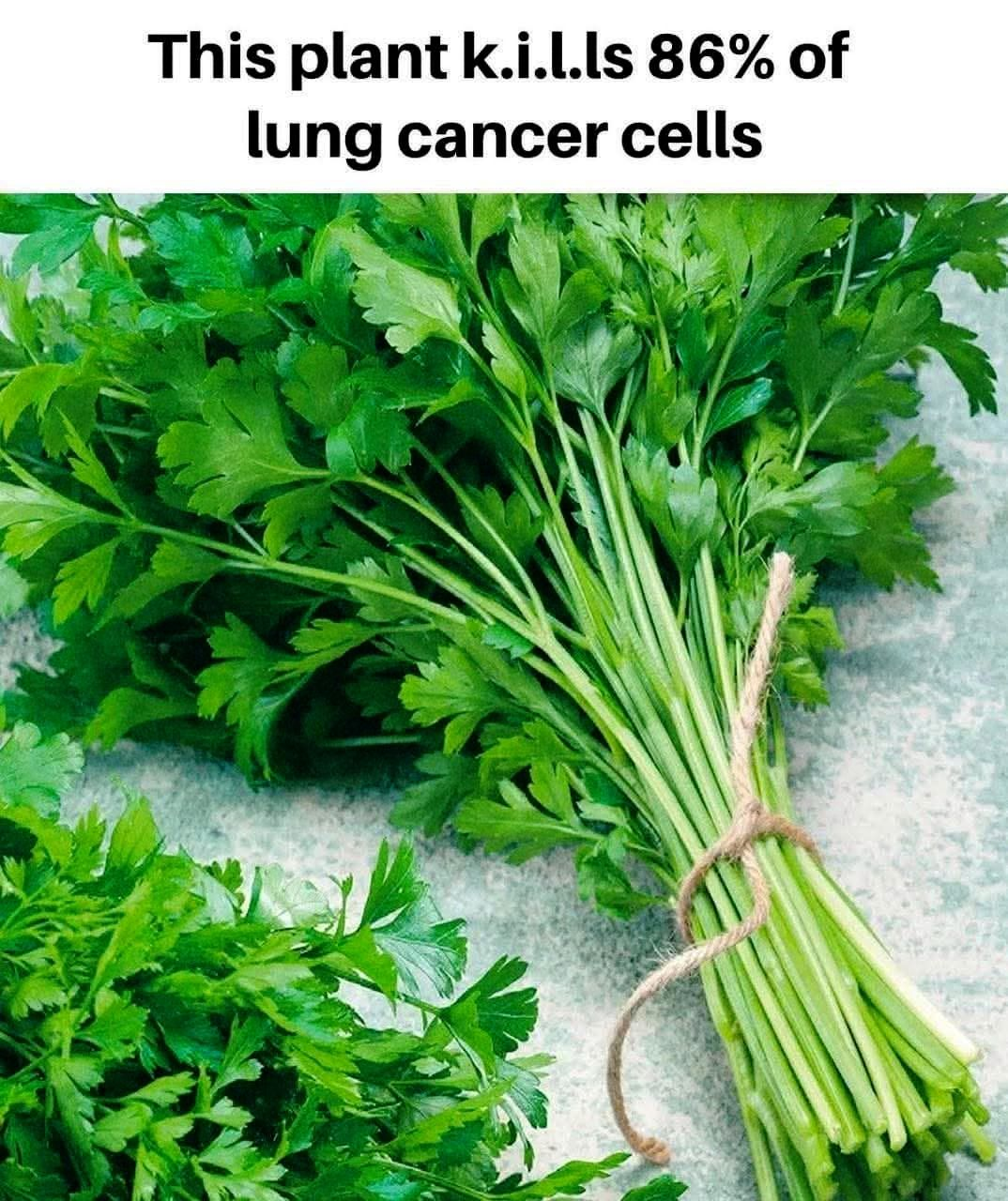
Why “86% of Lung Cancer Cells Killed” Claims Are Very Dangerous to Treat as Truth
-
In vitro vs. in vivo: Most studies are done on cancer cell lines in a lab, not in living humans. Just because a compound kills cancer cells in a dish doesn’t mean it’s safe or effective in the body.
-
Toxicity: Natural does not mean safe. Some “anticancer” plant compounds can also harm healthy cells or have serious side effects.
-
Lack of clinical trials: Very few plant-based compounds have passed rigorous clinical trials to become approved cancer treatments.
-
Misleading headlines: Claims like “kills 86% of cancer cells” often come from early-stage studies and can be exaggerated in media or social posts.
What to Do (If This Topic Interests You)
-
Talk to a doctor or oncologist: If you’re considering using any supplement or herbal extract, especially for something as serious as cancer, this must be part of a medical discussion.
-
Use evidence-based medicine first: Proven cancer treatments (surgery, chemotherapy, targeted therapy, immunotherapy) are supported by large-scale clinical trials — these plant compounds, for now, are more in the “research” category.
-
Support research: You can follow scientific publications to track how plant-based cancer research evolves — but don’t rely on unproven “miracle herb” claims for treatment.
Summary
-
There is no verified “plant that kills 86% of lung cancer cells” in humans — such claims are not backed by solid clinical evidence.
-
These findings are scientifically interesting but not a substitute for medical care.
