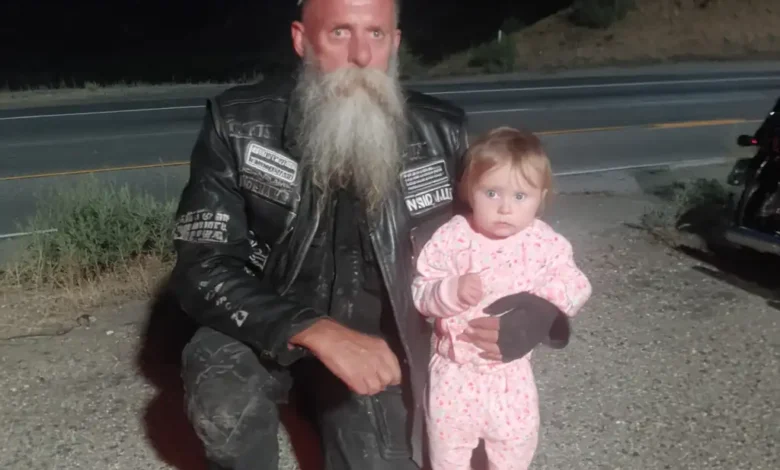
They examined her while I held her. What they found made the doctor excuse herself to cry in the hallway.
The belt marks were deep. Old scars showed this had been happening for months. Maybe her whole life.
The bite marks were human. Adult human. Multiple patterns. Multiple abusers.
Her wrists and ankles had rope burns. Deep ones. She’d been tied frequently.
She had three healed fractures. Ribs. Arm. Collarbone. Never treated.
“This child has been tortured,” the doctor said flatly. “Systematically. For extended periods. This isn’t abuse. This is torture.”
“Can you remove the collar?”
They tried. She panicked. Fought. Screamed “No no no no no.”
“She’s terrified of people touching her neck,” the pediatric psychologist said. “We’ll have to sedate her.”
“Everything is traumatizing her. But we can’t leave that collar on. It’s infected. Could cause sepsis.”
They sedated her. She fought it. Cried. Looked at me like I’d betrayed her.
“I’m sorry, baby. I’m so sorry. But it has to come off.”
When the medication took effect, they removed the collar. The skin underneath was raw. Infected. Scarred. She’d been wearing it for months.
The tag—that horrible word—went into evidence.
While she was sedated, they did more tests. Full body x-rays. Blood work. Rape kit.
The doctor came out three hours later. Sat down heavily.
I put my head in my hands.
“Whoever did this… they’re monsters. This baby was kept like an animal. Treated worse than an animal. Fed from bowls. Chained. Collared. Abused in every way possible.”
“Will she recover?”
“Physically? Maybe. With surgeries and therapy. Psychologically?” The doctor shook her head. “I don’t know. She’s so young. The trauma is so severe. She doesn’t speak. Doesn’t respond to her name—assuming she has one. Doesn’t make eye contact except with you.”
“Why me?”
“You saved her. You’re safe. You’re the only safe thing in her world right now.”
The police investigation moved fast. The trailer was a horror show. Evidence of at least four different children over the past two years. The FBI got involved. Child trafficking task force.
They found videos. Sold online. Children being tortured. Abused. For money.
Our little girl—they were calling her “Baby Jane Doe” until they could identify her—was in dozens of videos. From when she was just months old.
The FBI agent who interviewed me looked broken.
“The trailer’s registered to a shell company. The people who operated it are gone. Vanished. We’re tracking financial records. Digital footprints. But these people are professionals. This is organized. International.”
“How many children?”
“We’ve identified four from the evidence. Baby Jane is the only one we’ve found alive.”
The only one alive.
“The others?”
“We’re searching. But based on the pattern… they don’t keep them once they get too old. Too big. Too much trouble.”
He didn’t have to say what happened then. I knew.
Baby Jane stayed in the hospital for two weeks. I visited every day. The nurses said she wouldn’t eat unless I was there. Wouldn’t sleep. Just cried.
“She’s bonded to you,” Margaret from CPS said. “It’s unusual but understandable. You saved her. You’re safety.”
“What happens to her now?”
“Foster care. We’re looking for a specialized placement. Someone trained in severe trauma.”
“What if you can’t find someone?”
“Then she goes to the best option available.”
That night, I couldn’t sleep. Kept seeing that baby crawling across the highway. The dog collar. The burns. The terror in her eyes.
I called Margaret.
“What would it take for me to foster her?”
Silence. Then: “Mr. Morrison, you’re seventy years old. Single. You live alone.”
“I’m a combat medic. I have experience with trauma. I have patience. And that little girl trusts me.”
“It’s not that simple.”
“Then make it simple. What does she need? Someone trained in trauma? I’ll take classes. Someone patient? I’ve got time. Someone she trusts? She already trusts me.”
Another long pause. “Let me make some calls.”
The calls took three days. In those three days, Baby Jane deteriorated. Stopped eating. Stopped sleeping. Cried constantly. They had to restrain her to prevent self-harm.
“She’s asking for you,” the nurse said. “Well, not asking. She can’t talk. But she keeps making a motion. Like this.”
The nurse mimicked riding a motorcycle.
“She remembers the motorcycle. She wants the motorcycle man.”
I came immediately. Baby Jane saw me and reached out. Started crying. Not scared crying. Relief crying.
I held her. She fell asleep in minutes. First sleep in three days.
“Mr. Morrison,” the doctor said, “I don’t usually make recommendations like this. But that child needs you. Whatever it takes, make it happen.”
Margaret called that night. “The judge approved emergency placement. You’ll need to take classes. Weekly home inspections. Daily CPS check-ins. But she’s yours. Temporarily. Until we figure this out.”
I brought Baby Jane home on a Tuesday. She was terrified of the apartment. Of the rooms. Of everything.
But she liked the motorcycle. I’d walk her out to the garage. Let her sit on it. Touch it. She’d relax.
“Motorcycle means safe,” the trauma therapist explained. “You came on a motorcycle. Motorcycles saved her.”
Baby Jane wouldn’t sleep in a bed. Cried hysterically when I tried. She’d only sleep on the floor. In the corner. Like she’d been trained to.
The therapist said not to force it. “Let her feel safe. Safe is on the floor right now.”
So I put a soft mat in the corner. Blankets. Stuffed animals. She’d curl up there.
She wouldn’t eat from plates. Only from bowls on the floor.
“They trained her to eat like a dog,” the therapist said, crying. “We have to slowly teach her she’s a child.”
It took three weeks before she’d eat from a bowl on the table. Two months before she’d try a plate.
She didn’t speak. The doctors thought maybe she couldn’t. Maybe the trauma was too severe. Maybe she’d been punished for speaking.
But she made sounds. Small ones. When she was scared. When she needed something.
And she followed me everywhere. If I left the room, she panicked.
“Separation anxiety,” the therapist said. “She’s terrified you’ll abandon her. Like everyone else did.”
So I didn’t leave. Took leave from my mechanic job. Stayed home. Let her shadow me every moment.
Slowly—so slowly—she started to trust.
After six months, she’d let me hold her without crying.
After eight months, she’d make eye contact.
After ten months, she smiled. Once. For about two seconds. But she smiled.
The FBI investigation went international. They found the network. Dozens of people. Hundreds of victims over twenty years. Arrests in six countries.
But the people who ran the trailer—who tortured Baby Jane—disappeared. Gone. Vanished into the trafficking network they’d built.
“We’re still looking,” the agent promised. “We’ll find them.”
But months became a year. No leads. No arrests.
Baby Jane turned three in my care. We didn’t know her real birthday, so we picked the day I found her. Her “alive day.”
She still didn’t speak. But she’d started using signs. Basic ones. More. Help. Safe.
Safe was her favorite. She’d sign it constantly. Looking at me for confirmation.
“Safe,” I’d sign back. “Always safe.”
The CPS caseworker visited monthly. Watched Baby Jane. Watched me. Took notes.
“Mr. Morrison, I need to be honest. The court wants to find her biological family. Return her.”
“To who? The people who sold her? Who tortured her?”
“To relatives. Grandparents. Aunts. Uncles. Someone.”
“She’s been with me for a year. I’m her family.”
“You’re her foster parent. It’s temporary.”
“Then make it permanent. Let me adopt her.”
Margaret sighed. “It’s complicated. You’re seventy-one now. Single. The court prefers younger parents. Couples.”
“The court can prefer whatever they want. That little girl upstairs needs me. And I need her.”
The adoption process took another year. Home studies. Interviews. Psychological evaluations. Character references.
My riding club showed up. Fifteen Vietnam vets in leather testifying that I was fit to raise a child.
“Preacher’s the best man I know,” Jake told the judge. “Saved my life in ‘Nam. Carried me three miles with a bullet in his leg. If he says he’ll protect that baby, he’ll die before he lets anyone hurt her.”
The judge looked skeptical. “Mr. Morrison is seventy-two years old.”
“And that baby is four,” Margaret said. “She’s been with him for two years. She’s thriving. She’s happy. She’s healing. Disrupting that attachment would destroy her progress.”
The judge reviewed the files. The medical reports. The therapy notes. The photos.
Before: a terrified, broken, silent child in a dog collar.
After: a little girl who smiled. Who played. Who was learning to be a child.
“Mr. Morrison,” the judge said, “if I grant this adoption, you’ll be in your eighties when she graduates high school. Have you thought about that?”
“Every day, Your Honor. And every day, I thank God I’ll be there to see it. Because without me, she wouldn’t make it to high school. She’d be dead. Or so broken she’d wish she was.”
“That’s dramatic.”
“That’s reality. That little girl was left to die on a highway. I found her. I saved her. And I’ll keep saving her every day for as long as I’m alive.”
The judge was quiet for a long time. Then she signed the papers.
“Adoption granted. Mr. Morrison, congratulations. She’s your daughter.”
I cried. First time since Vietnam.
We named her Hope. Because that’s what she is. Hope that survived torture. Hope that crawled across a highway. Hope that refused to die.
Hope Morrison.
She’s seven now. In second grade. Still doesn’t talk much—the trauma damaged her voice box—but she uses sign language. And she’s smart. So smart.
She loves motorcycles. We ride together. Her in a special sidecar. Both of us in matching helmets.
People stare sometimes. Old biker and little girl with scars on her arms. I stare back until they look away.
Hope still has nightmares. Still sleeps on the floor sometimes. Still panics if I leave the room.
But she laughs now. Plays with toys. Has friends. Lives like a child should live.
The FBI never found the people who tortured her. They’re still out there. Still hurting children.
But they don’t have Hope.
She’s safe. Loved. Home.
Continue reading…
