
They do not claim she should walk free.
They simply ask whether a life sentence, not death, is more appropriate for someone who committed a horrific crime at age 18 — an age at which the U.S. Supreme Court has already acknowledged that the brain is still developing.
But the legal clock has been ticking.
And slowly, appeal by appeal, door by door, the system has been closing.
The Slemmer Family — A Lifetime of Pain That Cannot Be Erased
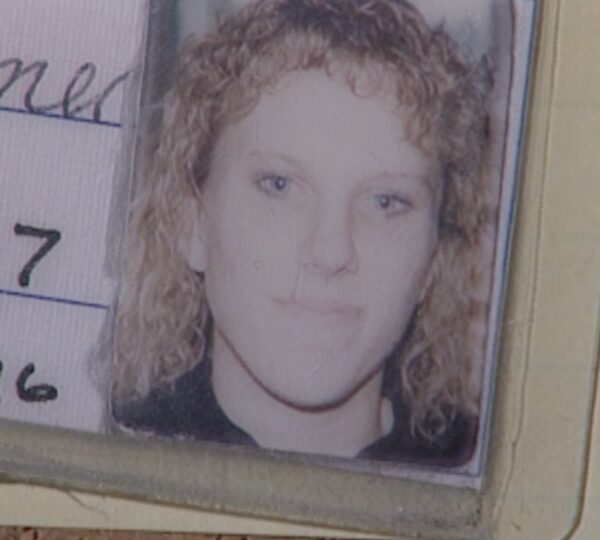
Colleen’s parents and relatives have spent decades living with the memory of a daughter who left home with hope in her heart, seeking opportunity, only to never return. They have relived the details of her death in courtrooms, hearings, interviews, and public documents.
Her mother once said in an interview:
“People ask me how I feel. The truth is, I stopped feeling anything the day she died.”
For the Slemmer family, justice has taken far too long.
Every delay, every appeal, every legal technicality has reopened wounds that never fully heal.
They read the crime scene reports.
They saw the autopsy findings.
They learned of the pentagram carved into their daughter’s chest.
They heard about the skull fragment kept as a morbid souvenir.
To them, the question is simple:
How can mercy be asked for someone who showed none?
They believe Christa Pike’s sentence is not only lawful — but necessary.
Necessary for closure.
Necessary for justice.
